Why are we drawn to the mountains? A look into the psychology.

Warum zieht es uns auf den Berg? Ein Blick in die Psychologie.

You're standing at the foot of a peak, your backpack packed, and something inside you just wants to go. Upwards. But why? Mountains don't give us anything we need to survive – no shelter, no food, no warmth. And yet, we're drawn to them again and again. Psychology offers some fascinating answers to this.

An archaic need

Even though we live in a meticulously planned, digital world, our bodies and minds still operate by entirely different rules. Being outdoors, moving, scanning the horizon—these are behaviors deeply rooted in our history. We simply aren't built to sit indoors all day. The mountains help us rediscover something within ourselves that often gets lost in everyday life.

Being at the top means: having an overview

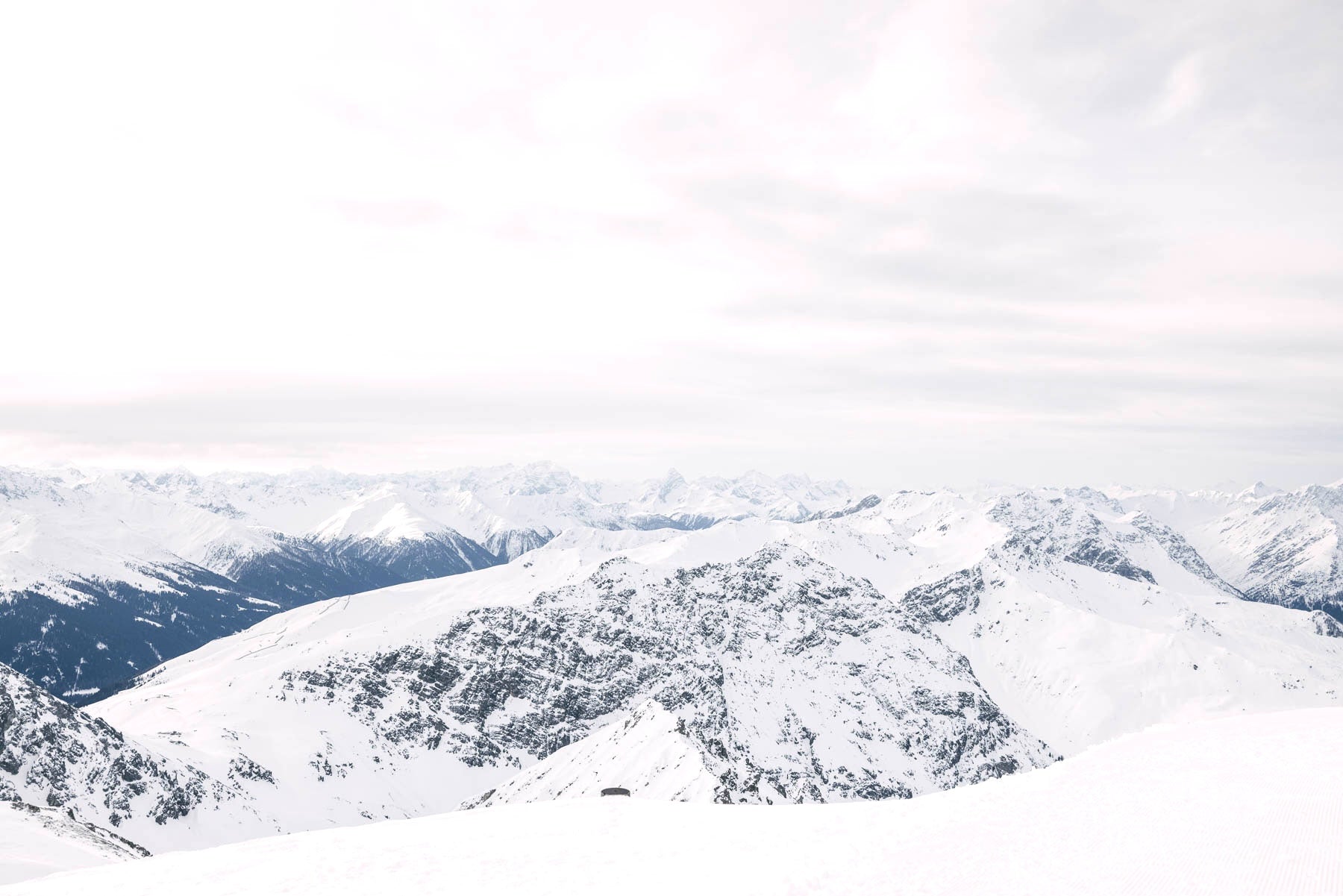
There's a simple yet powerful reason why mountain peaks do us so much good: when you're at the top, you're in control. You see what's coming. Especially in times that feel unpredictable, we long for exactly that feeling – overview, expanse, security. The view from the summit into the valley is more than just a beautiful sight. It's a psychological reset button.

P1047407.jpg
P1037345.jpg

Clear your head – and that's precisely the point

Hiking and mountaineering demand concentration: the next step, the next handhold, the breath. This kind of focus leaves little room for brooding. You are simply there, in the moment. Exactly this state – completely absorbed, without distraction – has a proven calming effect on our nervous system. It's no coincidence that we often feel clearer-headed after a tour, even if our legs are tired.

Feeling great by thinking small

Standing before a summit or a vast mountain range can make you feel quite insignificant – in the best sense. Your own worries suddenly seem smaller when you see how huge the world actually is. This feeling of awe, which almost makes you a little humble, helps you let go of everyday life for a moment and put things back into perspective.

The Ascent as a Reward

A summit you've earned feels different from one you drive up to. The effort is part of it. Every step uphill is also a small success, and it's precisely this mix of challenge and reward that makes us feel satisfied, sometimes even proud, afterwards. This is no coincidence – our brain loves achieving goals that have cost us something.

Conclusion: The mountain as a place of retreat

In the end, it's probably a mixture of all these things: the archaic need for movement and expansiveness, the feeling of control when looking from above, the calm that sets in when your mind focuses on the next step, and the small portion of awe that reminds us how much bigger the world is than our everyday worries.