Merino vs. synthetic fiber – which baselayer is right for you?

Merino vs. Kunstfaser – welcher Baselayer passt zu dir?

Whether skiing in January, cycling in May, or hiking in September – the first layer against your skin is crucial. A good baselayer ensures that you neither freeze nor overheat, that moisture is wicked away from the body, and that you feel completely comfortable.

But which material is right for you? Merino wool or synthetic fiber? How thick should it be? Which is suitable for which activity? In this article, you'll learn what really matters when choosing your baselayer – and why we at Belowzero rely on both materials.

Merino wool – a natural fiber with a comfort factor

Merino wool is a true all-rounder: it warms you when it's cold and cools you when you're warm. This is thanks to its unique fiber structure. It's also naturally antibacterial – ideal for multi-day hikes or trips.

This is how merino wool is produced:

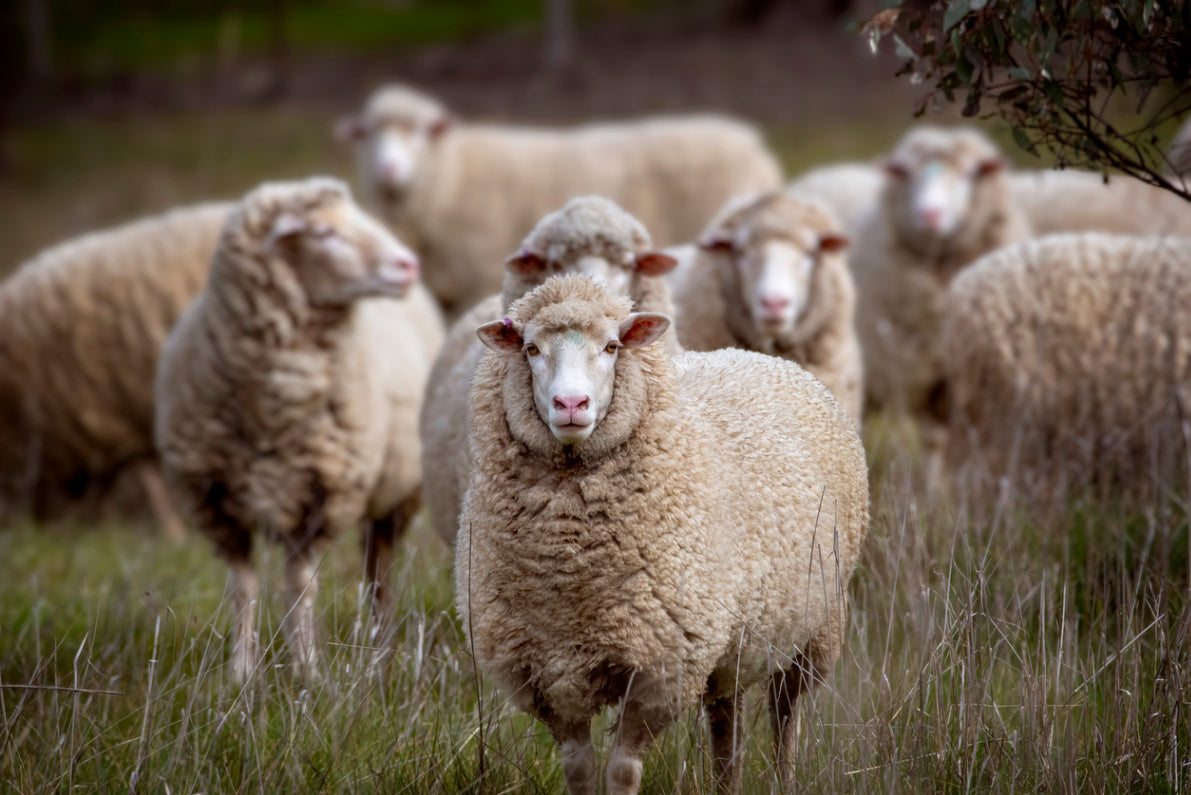
  • It is obtained from the shearing of the Merino sheep.
  • After that, it is washed, spun, and knitted.
  • At Belowzero we exclusively use mulesing-free merino wool - meaning it is produced in an animal-friendly manner.

👉 Merino is biodegradable, temperature-regulating and particularly soft - perfect for cool and warm days or low activity levels.

Polypropylene – lightweight, quick-drying, high-performance

Synthetic fibers often have a bad reputation – but polypropylene is truly high-tech. The fiber absorbs virtually no water, so it stays dry against the skin even during vigorous activity. And best of all: it hardly absorbs odors because moisture is simply wicked away.

This is what makes polypropylene so functional:

  • It is ultra-lightweight and fits like a second skin.
  • It efficiently transports sweat to the outside.
  • It is easy to care for, durable and moves with you.

👉 Ideal for summer, for intense activities – or when you simply don't feel like wearing a wet shirt.

Material thickness: Summer vs. Winter – that makes the difference

What many don't know: It's not just the material that makes the difference – but also the strength and workmanship of the fabric.

Our four baselayer lines differ not only in their composition, but also in their suitability for different seasons:

The lighter and thinner the fabric, the more breathable it is, making it ideal for warm temperatures. The denser and more structured the fabric, the better it retains heat – perfect for cooler days. This way, you can find the right baselayer for any weather, all year round.

Our customers say:

"I wear Light in the summer when biking or hiking, and in the winter the trousers as a first layer under my ski clothing – so it always fits."
Armin, 38, outdoor enthusiast

"I love merino wool, but for ski touring I prefer synthetic fibers – I simply feel much less wet."
Silvan, 31, ski tourer

"With the Extra Warm Baselayer, I can sit on the ski lift for hours – it's my comfort baselayer!"
Monika, 56, skier

Conclusion: The perfect baselayer suits your activity – and the season.

There is no "better" – only what suits you best.

Ask yourself:

  • Do you want to feel light and dry, even when you're active? → Synthetic fiber: Light or Warm
  • Do you want natural warmth and high comfort? → Merino: Medium Light or Extra Warm

Discover our baselayers – for every season and every activity.

At Belowzero, we develop all our products with one goal in mind: maximum comfort, long-lasting quality, and minimal environmental impact. Whether it's a summer hike, an autumn run, or a day on the slopes – with the right baselayer, you're ready for anything.

Baselayer